
Our Story
From Blades to Mechanical Fire
BUNCH did not begin with lighters.
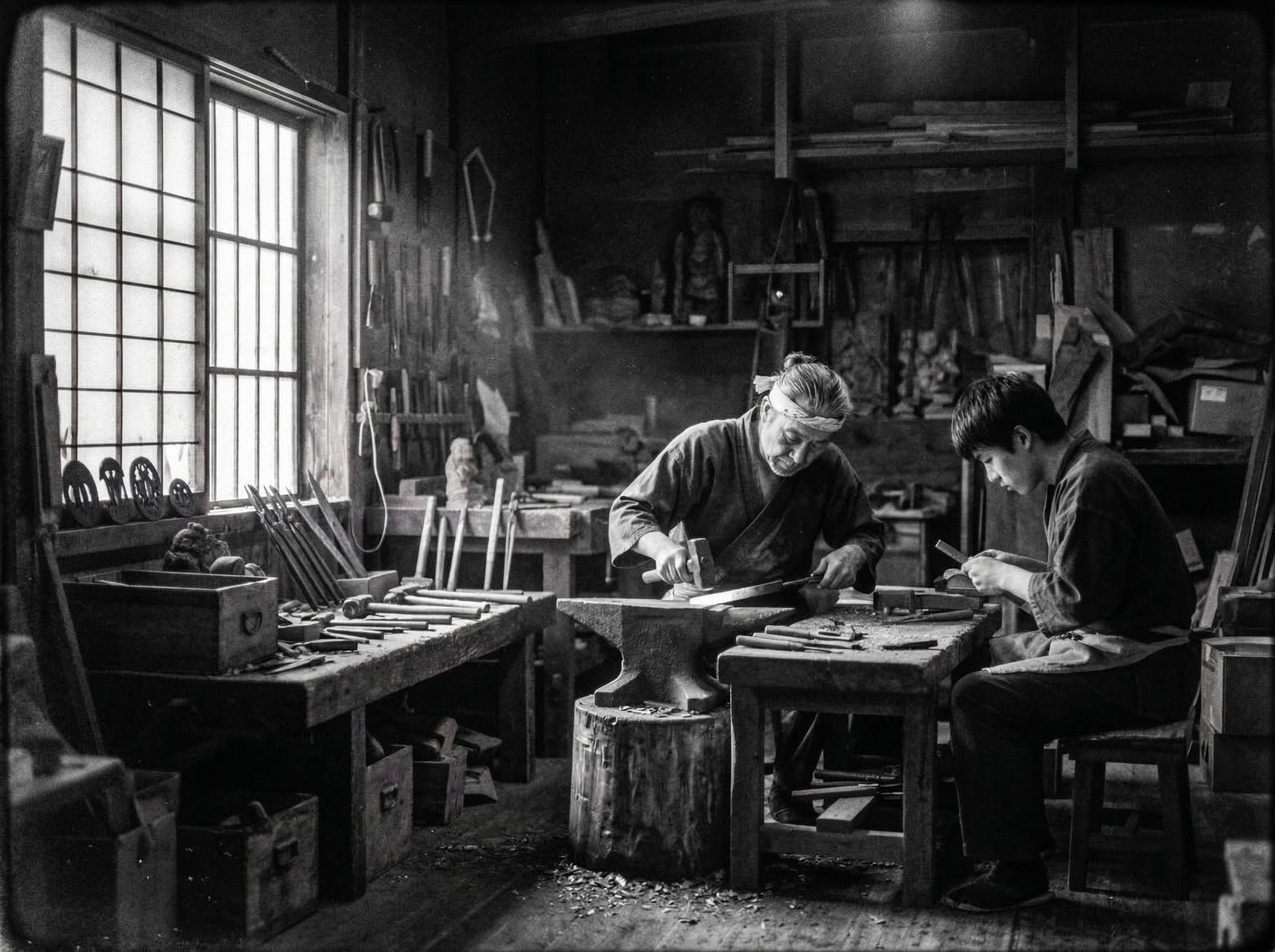
Our story began with blades.
We come from a family of Japanese bladesmiths, where working with steel was never simply a trade. It was a discipline passed down through generations — a way of understanding heat, structure, balance, patience, and the character hidden inside metal.
For our family, a blade was never judged only by how sharp it was.
The beauty of the steel mattered.
The balance mattered.
The way the material responded to heat, pressure, polishing, and time mattered.
That way of thinking became the foundation of BUNCH.
Learning to Read Steel
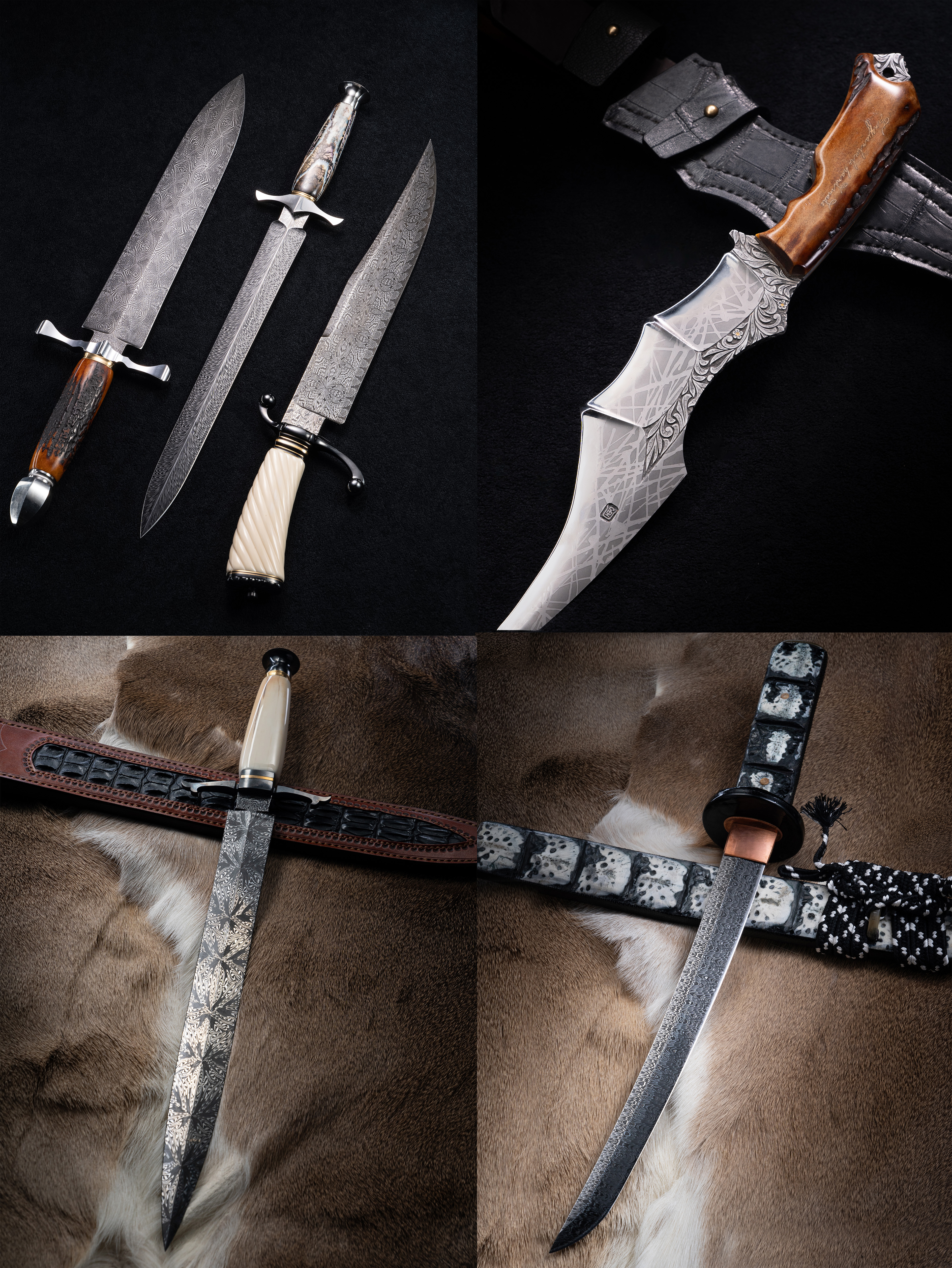
Long before we began building lighters, we were obsessed with Damascus steel.
To create a beautiful Damascus pattern, it is not enough to simply forge layers of metal together.
The pattern is the visible result of many invisible decisions.
Different steels must be selected carefully. Layers must be arranged with intention. Heat must be controlled. Pressure must be consistent. Twisting, cutting, folding, forging, grinding, heat treatment, and etching must all work together.
A small mistake at any stage can destroy the final result.
But when everything is right, the steel reveals something extraordinary.
Lines begin to flow across the surface.
Patterns emerge from inside the material itself.
No two pieces are ever exactly the same.
This pursuit of beautiful Damascus patterns taught us something that later became essential to BUNCH:
true beauty in metal comes from control.
Control of material.
Control of temperature.
Control of tolerances.
Control of structure.
And control of thousands of small details that most people will never see.
From Forging Steel to Building Mechanisms
At first glance, a Japanese blade and a precision lighter seem to belong to completely different worlds.
To us, they are closely related.
Both depend on an understanding of metal.
Both demand accuracy.
Both are built around the relationship between structure, movement, resistance, and balance.
A blade teaches you how metal behaves under heat and stress.
Damascus teaches you how different materials interact with one another.
Hand-finishing teaches you how fractions of a millimeter can completely change the feeling of an object in the hand.
These lessons eventually gave us the confidence to enter a far more compact mechanical world.
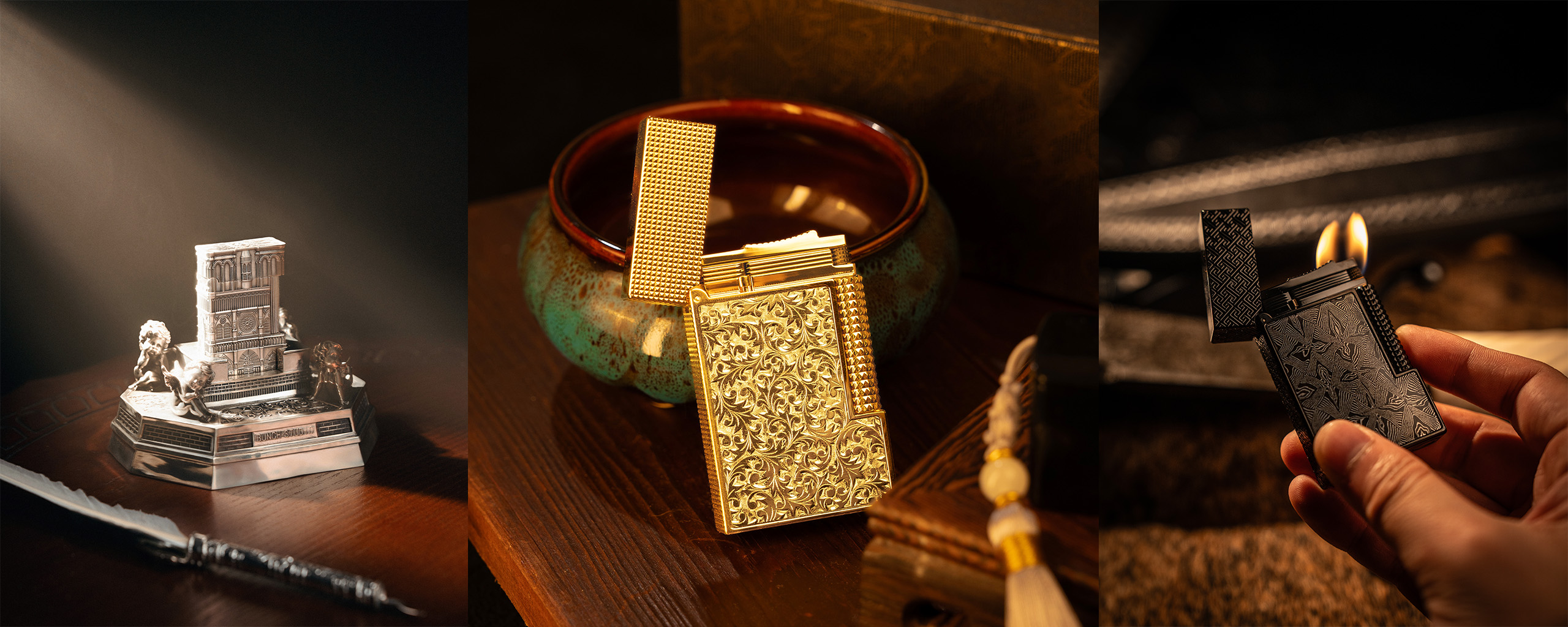
The lighter.
Inside a lighter, every movement is concentrated into a very small space.
The hinge.
The spring.
The striking mechanism.
The fuel system.
The lid.
The resistance of the opening action.
The sound when metal meets metal.
A difference that appears insignificant on a drawing can completely change the experience of the finished piece.
This was familiar territory to us.
The object was different.
The philosophy was not.
Precision Was Born From Craft
We did not approach the lighter as an ordinary consumer product.
We approached it the same way our family approached a blade.
First, understand the material.
Then understand the structure.
Then refine every interaction between the two.
Our experience with steel, forging, polishing, heat treatment, and Damascus pattern development gave us a foundation for understanding precision metalwork at a deeper level.
The pursuit of a beautiful Damascus pattern had already taught us that appearance and engineering cannot truly be separated.
A beautiful surface can only survive when the structure beneath it is right.
A satisfying mechanism can only remain precise when the material, tolerances, and finishing are right.
That belief became one of the central principles of BUNCH:
craftsmanship should not be decoration applied to engineering.
Craftsmanship should exist inside the engineering itself.
The Lighter as a Mechanical Object
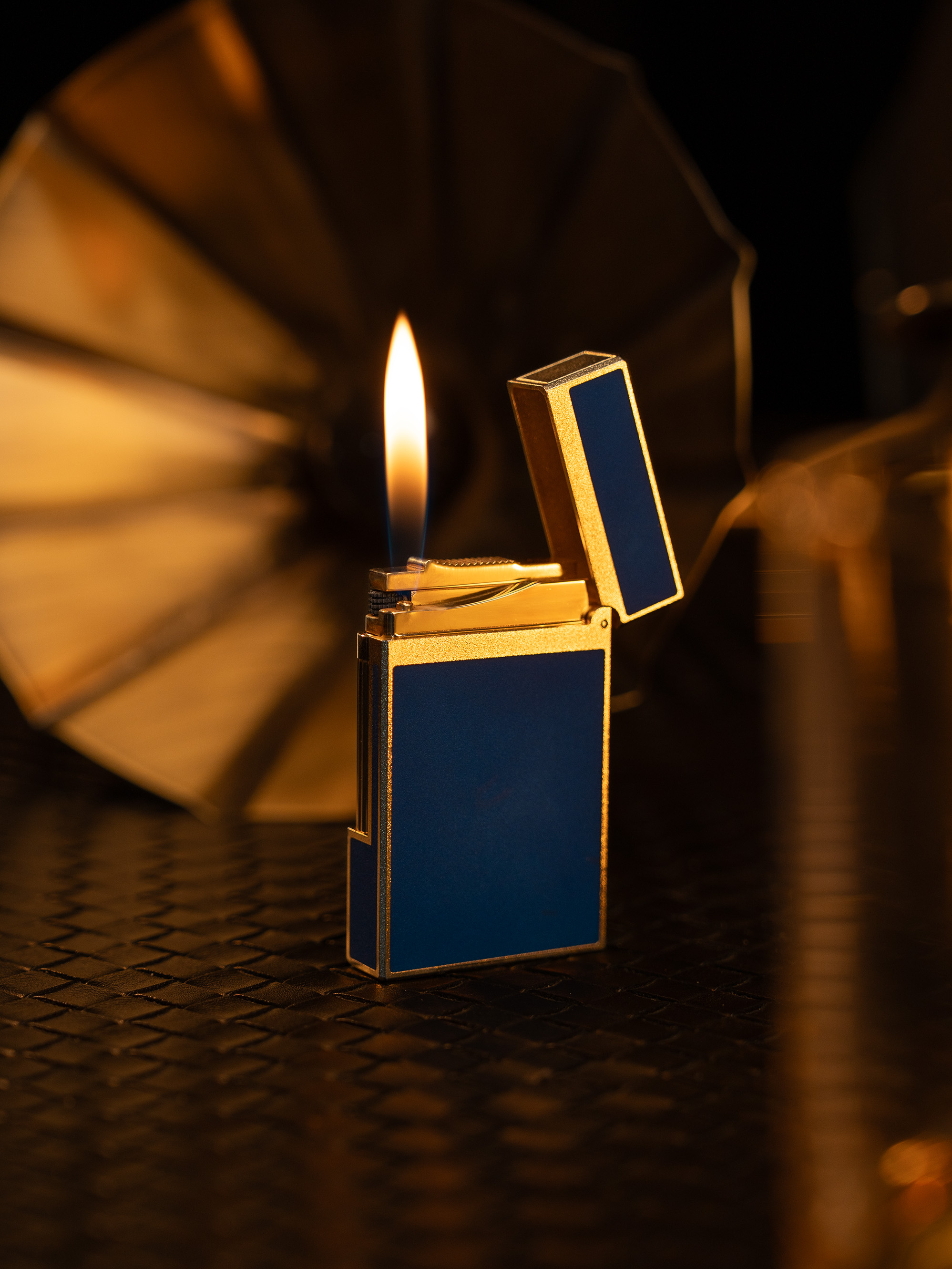
For us, a lighter is more than a device that creates flame.
It is one of the few mechanical objects people still carry every day.
You hold it.
You open it.
You hear it.
You feel the resistance of the mechanism.
You watch the flame appear.
Then you close it again.
These actions may last only a few seconds, but they create a physical relationship between the object and its owner.
That relationship is what interests us.
A BUNCH lighter should feel deliberate.
The lid should not feel loose.
The mechanism should not feel vague.
The weight should feel considered.
The materials should reveal more character the longer they are handled.
And the piece should be worth maintaining rather than replacing.
This is why we continue to think like bladesmiths even when we are designing lighters.
We are not trying to make disposable objects.
We are trying to make objects that develop a history.
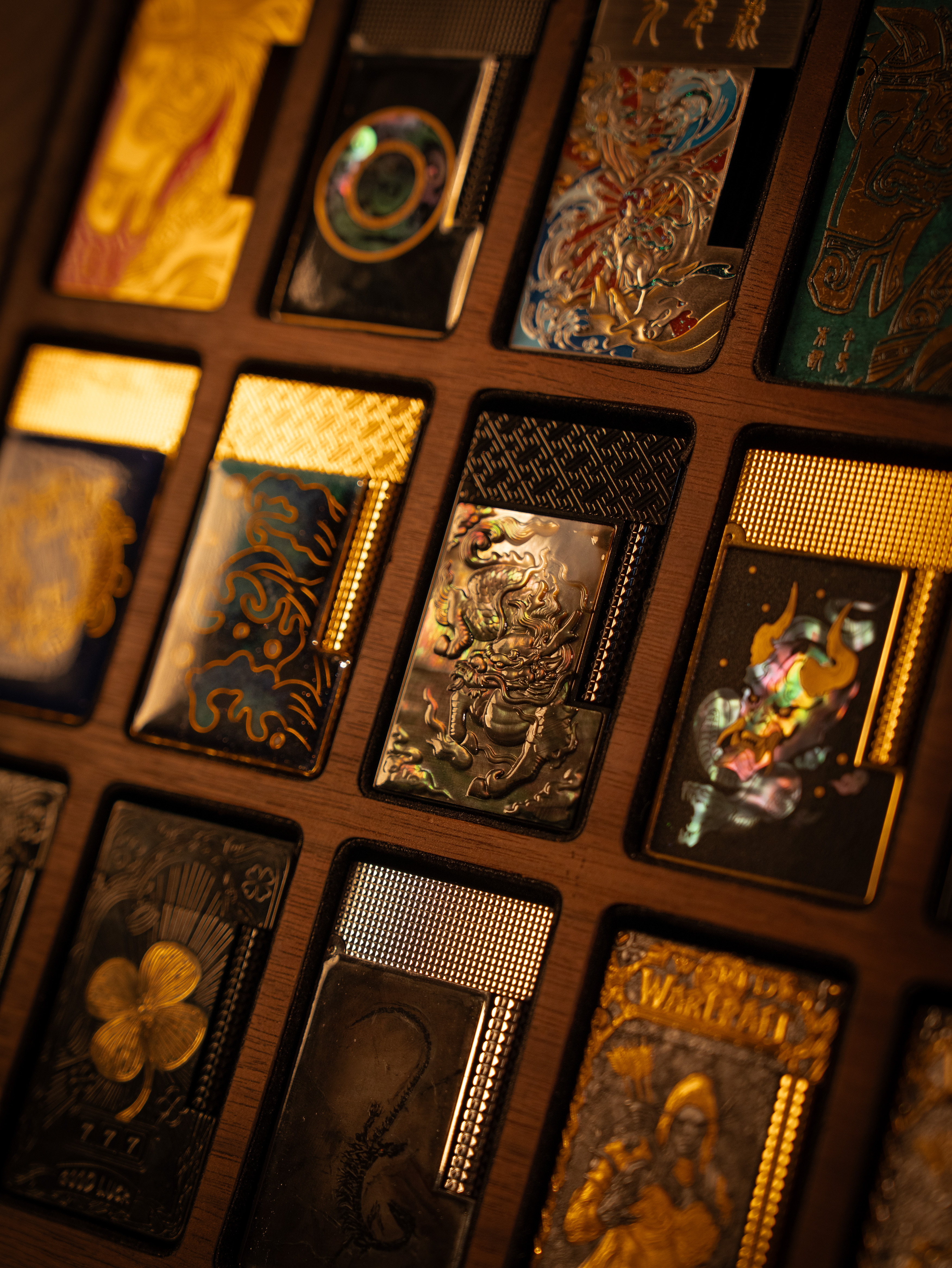
Materials With Character
Our background also shaped the way we choose materials.
We are naturally drawn to materials that cannot be perfectly repeated.
Damascus steel.
Brass.
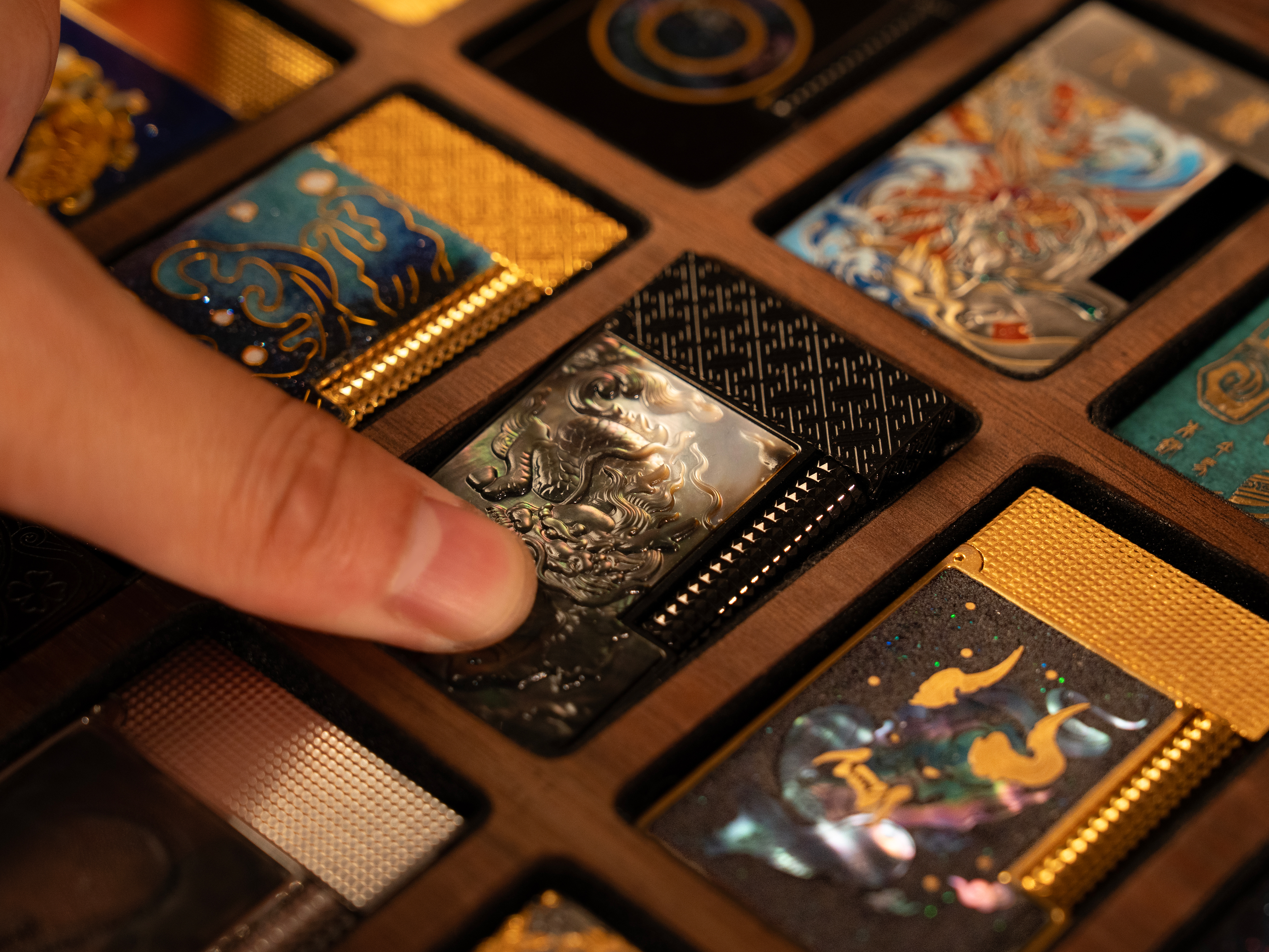
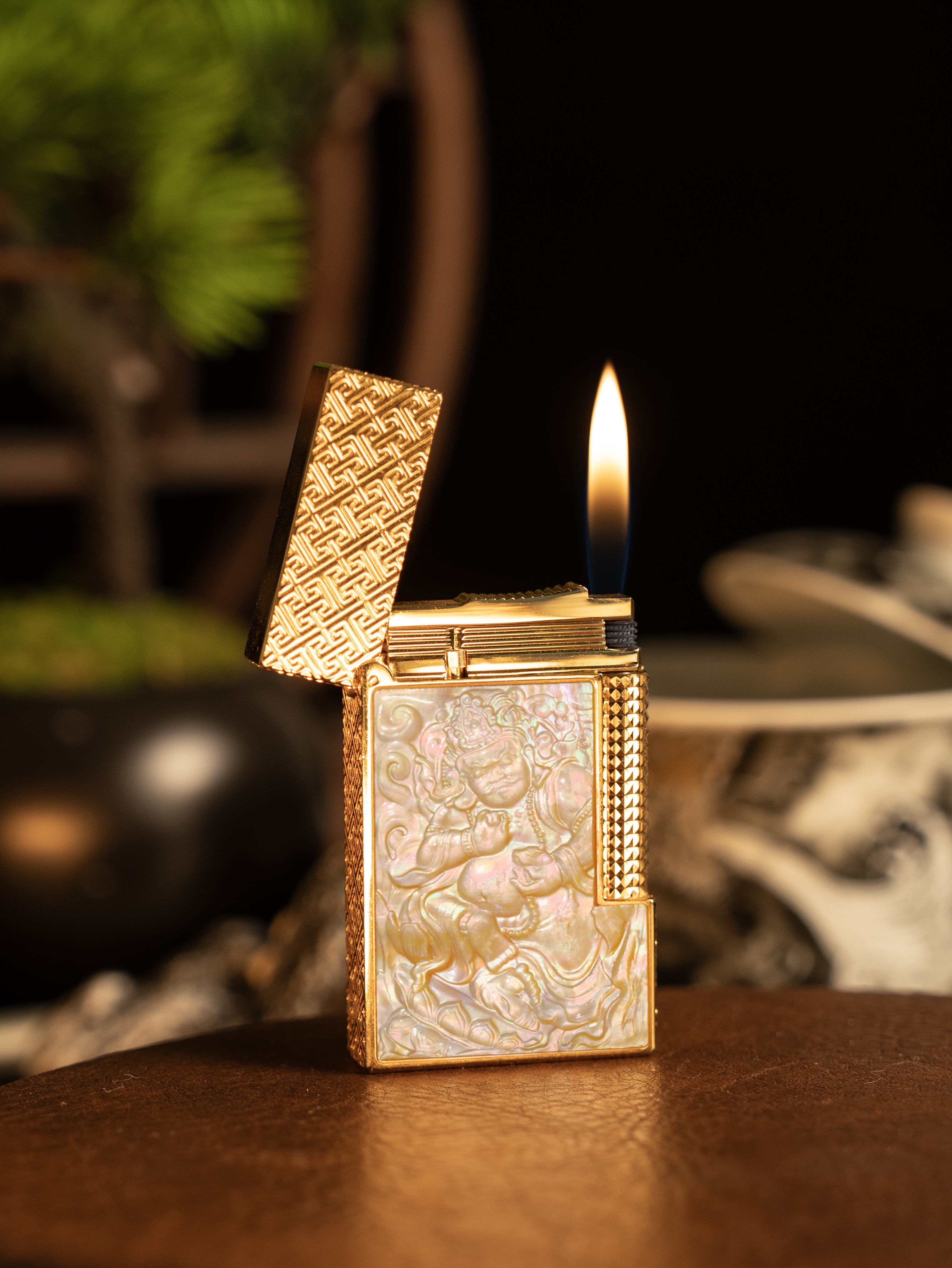
Mother-of-pearl.
Shell.
Natural stone.
Wood.
Lacquer.
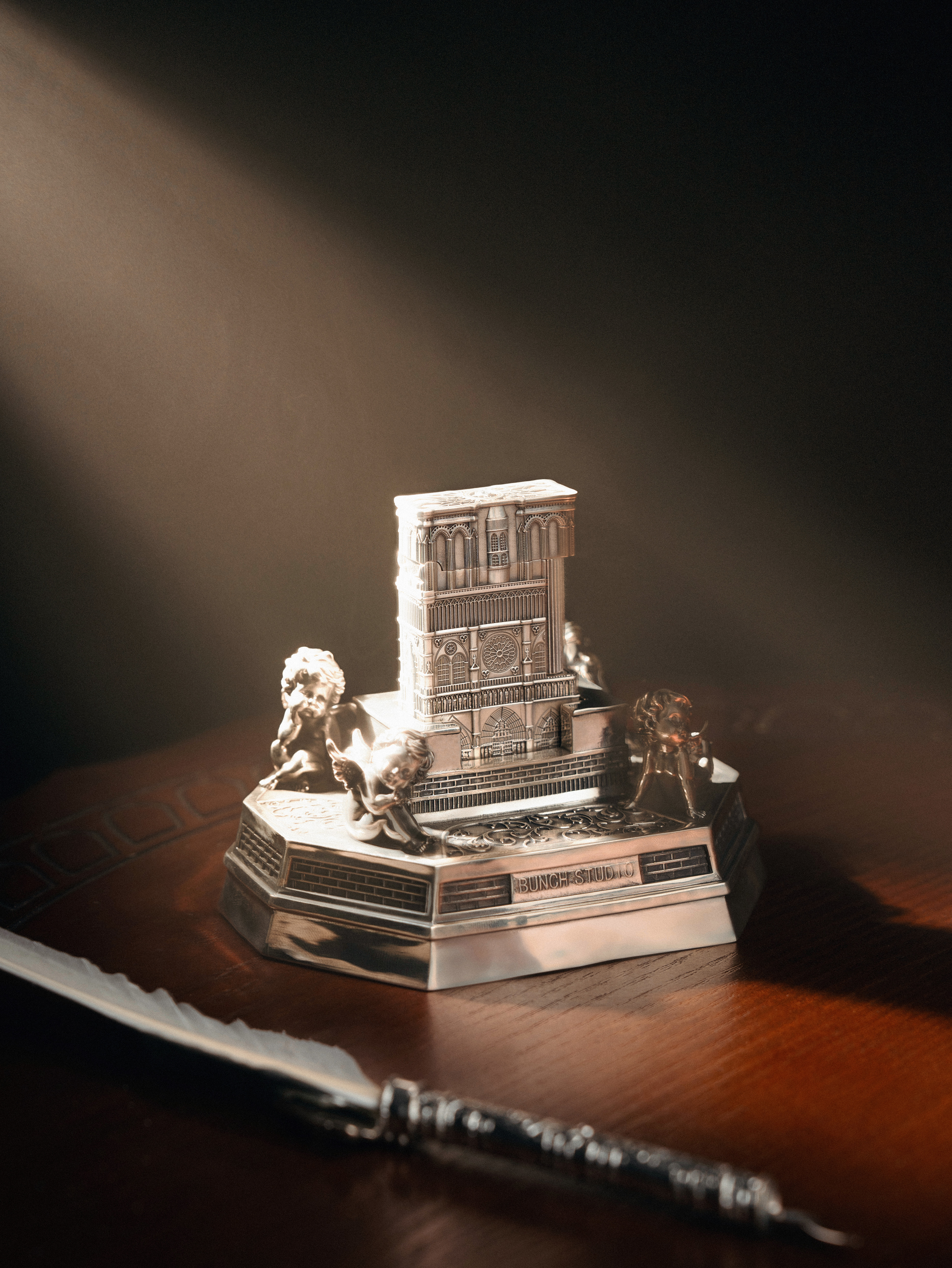
Hand-finished metal surfaces.
These materials change with light, touch, age, and use.
They may develop patina.
Their grain may vary.
Their color may shift slightly.
Their patterns are never perfectly identical.
To us, these variations are not imperfections.
They are evidence that the object has material character.
Just as the pattern of Damascus steel is created through the history of its forging, the character of a BUNCH lighter continues to develop through the history of its use.
Carrying the Tradition Forward
We do not believe tradition means repeating the past.
Tradition means carrying forward the way of thinking that made the past valuable.
Our family's work began with blades.
Today, BUNCH applies the same respect for metal, structure, hand-finishing, and precision to a different mechanical object.
The flame is smaller.
The mechanism is more compact.
The object fits in the palm of your hand.
But the principles remain remarkably similar.
Understand the material.
Respect the structure.
Refine the movement.
Never rush the finishing.
And never allow beauty to exist without substance beneath it.
This is where BUNCH comes from.
From blades to flame.
From forging to precision.
From generations of working with steel to a new kind of mechanical craft.
BUNCH is our way of carrying that tradition forward.